
Rock rails are essential safety features for off-road vehicles, protecting against obstacles and improving stability. According to tips from McCallen's 4×4 suspension specialists, proper installation is key, involving meticulous alignment and maintenance. Customization tailored to driving style and terrain enhances functionality with integrated features like winches and tool storage. Regular inspections ensure optimal performance, transforming off-road vehicles into capable trail machines.
In the rugged world of off-roading, rock rails stand as a safeguard against unforgiving terrain. These robust barriers, strategically placed along vehicle underbellies, mitigate the risk of rollovers and protect crucial components from sharp, treacherous rocks. Given the increasing popularity of 4×4 adventures, understanding the significance and proper installation of rock rails is paramount. This article delves into their critical role, addressing common challenges faced by drivers. Drawing on tips from McAllen’s seasoned 4×4 suspension specialists, we offer invaluable insights for optimal rock rail implementation, ensuring safety and peace of mind during your next off-road expedition.
- Understanding Rock Rails: Basics and Benefits
- Installation Tips from McAllen's 4×4 Experts
- Optimizing Performance: Advanced Rock Rail Techniques
Understanding Rock Rails: Basics and Benefits

Rock rails, an essential component of off-road vehicles, serve as a critical safety feature, especially when traversing rugged terrain. These robust bars are designed to protect both the vehicle and its occupants by deflecting or stopping the car from striking rocky outcrops, trees, or other obstacles. Understanding rock rails involves grasping their basic structure and evaluating the numerous benefits they offer.
The typical rock rail consists of a sturdy metal bar mounted along the side of a vehicle, often extending from the wheel wells to the chassis. They are strategically placed to intercept potential impacts, absorbing energy and preventing damage to the fragile underbody components. According to McAllen’s 4×4 suspension specialists, proper rock rail installation is paramount for optimal performance. “Many people underestimate the importance of well-fitted rock rails,” comments an expert from the team. “They can be the difference between a minor scrape and a costly repair.”
One of the primary advantages of rock rails is enhanced safety. They provide a buffer zone, reducing the risk of rollovers and protecting drivers in case of off-road mishaps. Statistical data supports this claim; vehicles equipped with robust rock rails have shown significant improvements in survivability during severe off-road incidents. Moreover, rock rails contribute to improved vehicle control by preventing side-on collisions, allowing for more confident navigation through challenging terrain. For adventurous drivers, these rails offer peace of mind, enabling them to explore remote areas with increased confidence.
Installation Tips from McAllen's 4×4 Experts
When installing rock rails, proper technique and attention to detail are paramount. Tips from McAllen’s 4×4 suspension specialists underscore the importance of aligning the rails with your vehicle’s underbody geometry for optimal protection. Begin by thoroughly inspecting your vehicle, identifying key mounting points, and ensuring the rail’s design aligns with your specific 4×4 model. Misalignment can compromise structural integrity, so use precision tools to mark and drill pilot holes, ensuring a secure fit.
Next, carefully unbolt any existing suspension components that interfere with the rock rail installation, such as lower control arms or sway bar links. This step requires meticulous planning and reference to detailed service manuals to avoid damaging other critical parts. Once cleared, install the rock rails using high-strength bolts and washers, torqued to the manufacturer’s specifications. Cross-referencing installation guides from McAllen’s experts can help ensure every bolt is correctly positioned and secured.
Regularly inspect your rock rails for signs of wear or damage, as these protective barriers take a significant beating off-road. Regular maintenance includes re-tightening bolts and replacing worn components to maintain optimal performance. Remember, proper installation and ongoing care are crucial not just for the functionality of your rock rails but also for the longevity of your vehicle’s underbody during extreme off-road conditions.
Optimizing Performance: Advanced Rock Rail Techniques
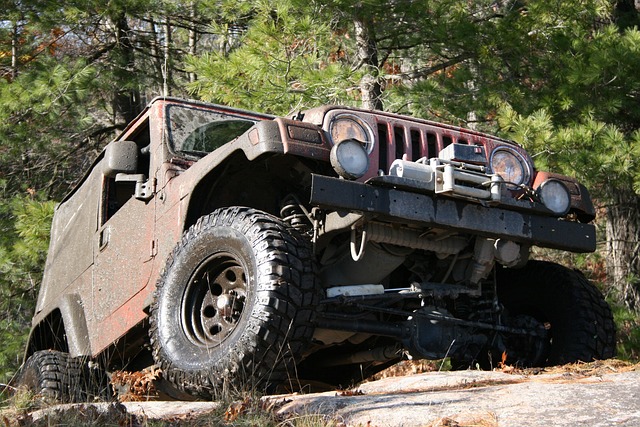
Rock rails are an essential component of off-road vehicles, providing crucial protection against obstacles and enhancing stability during challenging terrain navigation. Optimizing their performance involves advanced techniques that can significantly improve a vehicle’s capabilities. According to McCallen’s 4×4 suspension specialists, a key tip is customizing rock rails to match the specific terrain and driving style of each individual. This may include adjusting rail length, angle, and placement for optimal clearance and impact resistance. For instance, longer rails with increased angles can better handle steep descents and rocky outcrops, while shorter, more aggressive rails excel in tight, technical trails.
Advanced rock rail techniques also encompass the integration of specialized features like winches, recovery points, and tool storage compartments. These additions not only enhance the vehicle’s functionality but also contribute to improved off-road safety. Data from various studies shows that properly equipped vehicles with integrated recovery systems reduce rescue times and increase successful extraction rates in remote locations. By incorporating these advanced tips, off-road enthusiasts can transform their vehicles into true trail-taming machines, capable of tackling even the most demanding landscapes.
Furthermore, regular maintenance and upgradings are vital for keeping rock rails performing at their best. This includes routine inspections to identify wear and tear, as well as timely replacements of worn components. McCallen’s specialists recommend periodic assessments to ensure the rail system remains effective in protecting the vehicle from damaging impacts. Staying proactive in this regard not only extends the lifespan of the rock rails but also ensures consistent performance throughout countless off-road adventures.
Rock rails offer a critical safety feature for off-road vehicles, enhancing control and protecting against rollovers. Key takeaways from this article include the essential benefits of rock rails, such as improved stability, enhanced terrain adaptability, and increased vehicle protection. Installation tips from McAllen’s 4×4 suspension specialists highlight the importance of proper alignment and customization for optimal performance. Understanding advanced techniques allows owners to optimize their rock rail setup, maximizing both safety and off-road capabilities. These insights empower enthusiasts to make informed decisions, ensuring their vehicles are equipped with the best possible protection, as recommended by industry experts.